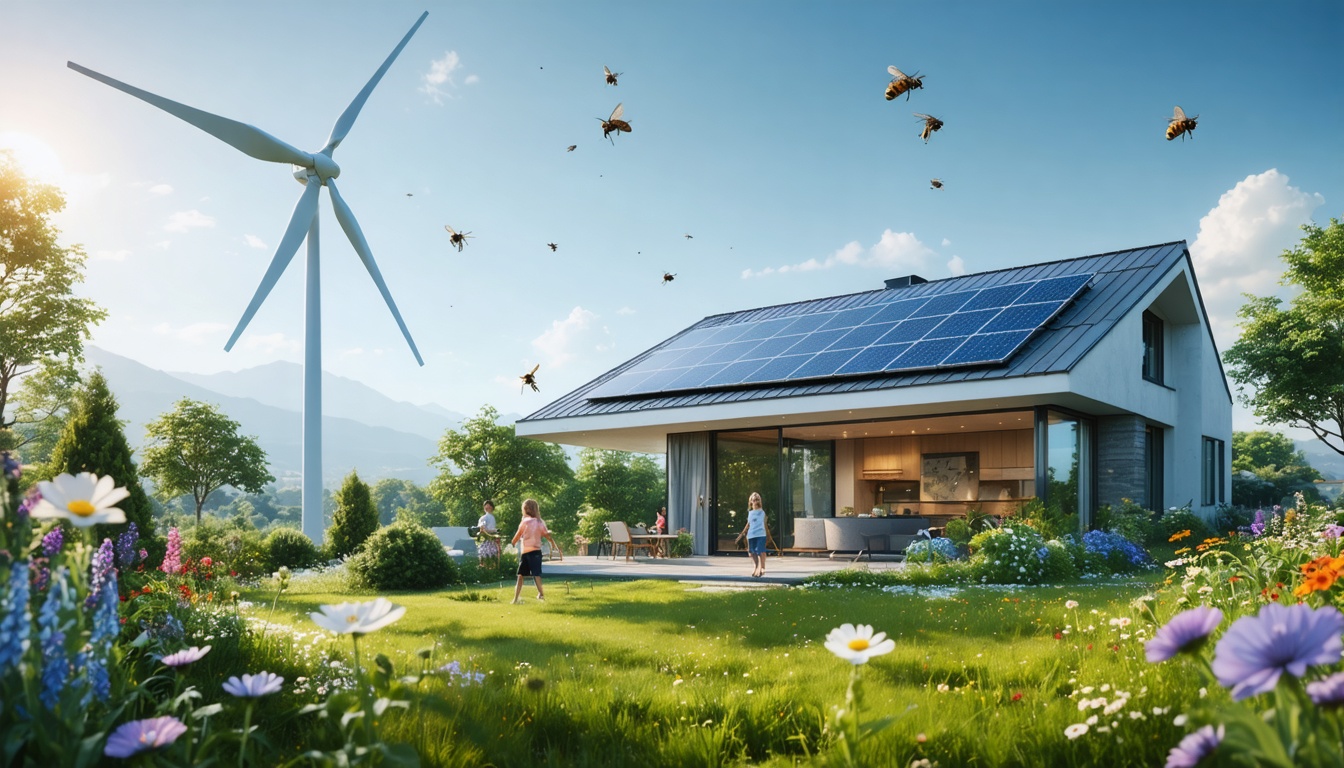
The Environmental Benefits of Choosing Renewable Energy at Home
Opting for renewable energy in residential settings contributes to environmental protection and public health. The implementation of renewable sources such as solar and wind power results in a measurable decrease in carbon emissions, leading to improved air quality in local communities. In addition to reducing pollution, renewable energy systems are generally more sustainable in terms of water usage compared to traditional fossil fuel sources, which often require significant amounts of water for extraction and cooling processes. Furthermore, the renewable energy sector has been associated with job creation, as the transition to cleaner energy sources necessitates the development, installation, and maintenance of renewable energy technology. The advantages of adopting renewable energy extend beyond individual homes, contributing to broader environmental goals such as mitigating climate change and promoting energy independence. As the adoption of renewable energy continues to grow, these collective benefits have the potential to foster a more sustainable and resilient energy landscape.
What Is Renewable Energy?
Renewable energy refers to power derived from resources that naturally replenish over a relatively short time, such as sunlight, wind, and water. These resources are integral to energy generation methods that do not depend on fossil fuels, utilizing technologies such as solar panels, wind turbines, and heat pumps. The use of renewable energy leads to cleaner electricity and heating options, which can reduce greenhouse gas emissions and air pollutants.
The transition to renewable energy is not solely an environmental issue; it also carries economic implications. Research indicates that the shift toward renewable energy can generate job opportunities across various sectors, including the manufacturing, installation, and maintenance of renewable energy technologies. This transition plays a crucial role both in the United States and worldwide, contributing to climate change mitigation efforts and enhancing energy security.
In addition, the adoption of renewable energy has the potential to improve air quality by decreasing dependence on fossil fuels that release harmful pollutants. The movement towards Net Zero targets underscores the significance of this transition in fostering a sustainable economy.
Nevertheless, challenges remain in the widespread adoption of renewable energy, including the need for infrastructure development and grid integration. These challenges highlight the importance of addressing potential barriers while recognizing the benefits of transitioning to a more sustainable energy system.
Reducing Greenhouse Gas Emissions
Transitioning to renewable energy sources in residential settings can significantly reduce greenhouse gas emissions. Technologies such as solar panels, wind turbines, and heat pumps enable households to lessen their reliance on fossil fuels for electricity and heating. In contrast to conventional energy sources, renewable energy typically generates minimal to no greenhouse gas emissions, which supports targets for achieving net-zero emissions established by the United States and other nations.
The widespread adoption of sustainable practices by households can contribute to a reduction in carbon dioxide emissions, thereby decreasing emissions from power plants and promoting a more sustainable economy.
The shift to renewable energy is also associated with the potential for job creation in sectors related to technologies and infrastructure needed for the transition, while improving the resilience of natural resources.
Renewable energy sources, sourced from naturally replenishing materials, are crucial for addressing climate change and lowering the carbon footprint attributed to supply chains. As household adoption of these technologies increases, the cumulative impact is likely to be significant in mitigating environmental effects and encouraging a transition toward a more sustainable energy framework.
Improving Air Quality and Public Health
The selection of renewable energy sources for residential use plays a crucial role in improving local air quality. Implementing technologies such as solar panels, wind turbines, and heat pumps can significantly reduce local air pollution associated with conventional electricity and heating methods.
Fossil fuel power plants are major sources of harmful emissions, contributing to the deterioration of air quality. These emissions are linked to approximately seven million premature deaths each year worldwide.
In contrast, renewable energy systems utilize natural resources and generate minimal to no greenhouse gas emissions, aligning with objectives aimed at achieving Net Zero emissions.
The integration of cleaner energy solutions in residential and community settings can lead to better public health outcomes and a decrease in carbon dioxide emissions. Additionally, the adoption of renewable energy systems could result in economic savings over time.
Therefore, the transition to renewable energy not only aids individual households in reducing their environmental impact but also supports broader national and global initiatives to improve air quality and public health.
Conserving Water Resources
Household energy choices significantly influence water conservation, although this connection is not always evident.
Research indicates that fossil fuel power plants consume approximately three times more water per unit of electricity produced than renewable energy sources such as solar panels and wind turbines. By transitioning to renewable energy for heating, electricity generation, or electric vehicles, water demand in the United States can be reduced, alongside lower carbon dioxide emissions.
Adopting a Net Zero home design contributes to the conservation of natural resources while supporting a sustainable economy.
Renewable energy sources generally emit little to no greenhouse gases, which can improve air quality and assist cities and nations in mitigating the effects of climate change. This relationship highlights the necessity of incorporating renewable energy into residential energy systems as a strategy for addressing both water conservation and environmental sustainability.
Supporting Biodiversity and Wildlife
Transitioning to renewable energy sources plays a significant role in the conservation of ecosystems at both local and global levels. The shift away from fossil fuels and towards renewable options, including solar panels, wind turbines, and heat pumps, is linked to a reduction in carbon emissions and a decrease in greenhouse gas outputs.
The move away from traditional power sources also reduces air pollution and alleviates water stress, which are often aggravated by conventional energy production methods.
Renewable energy initiatives contribute to efforts to achieve Net Zero emissions in the United States and across other nations. Additionally, these initiatives are important for the protection of habitats and the conservation of natural resources.
By generating sustainable electricity, renewable energy can lead to improved air quality, a decrease in habitat loss, and a reduction in the impacts of climate change. These outcomes are crucial for the health of various species and the preservation of biodiversity.
The advantages of utilizing cleaner energy sources indicate a direct relationship between energy decisions and ecological outcomes. This highlights the necessity of transitioning to renewable energy not only for environmental sustainability but also for the protection of wildlife.
Economic Impact and Job Creation
Investing in renewable energy presents noticeable economic benefits, particularly in the areas of job creation and community development. The transition to cleaner energy sources is associated with a reduction in carbon emissions, aligning with the objectives of the Net Zero movement.
Studies have shown that for every dollar invested in renewable energy, approximately three times more jobs are created compared to investments in fossil fuels. This surge in employment opportunities can strengthen local economies and contribute positively to air quality.
The deployment of renewable energy technologies—such as solar panels, wind turbines, and heat pumps—allows for the production of electricity and heating with significantly lower greenhouse gas emissions.
Additionally, the promotion of sustainable practices within communities supports the establishment of a resilient supply chain and helps in the conservation of natural resources.
These economic benefits highlight the critical role of renewable energy solutions within both local and national economic strategies.
Lowering Reliance on Fossil Fuels
The growing availability of renewable energy technologies, such as those offered by https://solarpanelsbronxnewyork.com/, offers households the opportunity to reduce their dependence on fossil fuels, which can positively impact environmental health.
The deployment of systems such as solar panels, wind turbines, and heat pumps has the potential to significantly decrease carbon dioxide and greenhouse gas emissions.
In the context of the United States and worldwide, the transition to renewable energy sources is essential for achieving Net Zero targets.
Each household that engages in adopting these systems contributes to a collective effort to improve air quality and address climate change challenges.
Additionally, reduced reliance on fossil fuels can lessen the demand for fossil fuel power plants, which may subsequently lead to decreased air pollution and associated health costs stemming from pollution-related illnesses.
The move towards renewable energy not only serves environmental objectives but also fosters the development of a supply chain that can generate new electricity.
This transition may yield economic benefits in the form of job creation and industry growth, and it plays a vital role in efforts to mitigate the effects of climate change.
Addressing Waste and Resource Efficiency
The implementation of renewable energy sources, such as solar panels and wind turbines, contributes to improved waste and resource efficiency in residential areas.
Homeowners utilizing these technologies can produce their own electricity and heat, which may lead to reduced carbon emissions and lower waste generation. This reliance on locally sourced, cleaner fuel alternatives decreases carbon dioxide emissions typically associated with fossil fuels, thereby positively impacting air quality, particularly in urban environments.
In addition, the use of heat pumps and energy-efficient electric vehicles, particularly those powered by renewable energy, results in significantly lower greenhouse gas emissions.
Transitioning to renewable energy decreases the necessity for resource extraction, which can alleviate some environmental concerns tied to traditional supply chains.
These developments align with broader national objectives, such as the United States' goal of attaining net-zero emissions.
Annually, these initiatives contribute to the establishment of a more sustainable economy, highlighting the critical role of cleaner energy technologies in promoting ecological integrity and public health outcomes.
Challenges and Considerations for Home Adoption
Homeowners contemplating the adoption of renewable energy systems face various practical challenges, which may overshadow the clear environmental benefits. The initial financial outlay for the procurement and installation of solar panels, heat pumps, or wind turbines can be considerable. While government tax credits and the potential for long-term energy savings may help alleviate these costs over time, the initial investment remains a barrier for many.
Supply chain disruptions can add further complications, affecting the availability of essential components necessary for the installation of these systems. Furthermore, the urgent need for reliable electricity and heating can complicate the transition to renewable energy technologies.
Geographic differences also play a significant role, as not all homes or municipalities have the same access to renewable energy resources, complicating the adoption process. Local zoning laws and regulations may impose restrictions on the installation of specific renewable energy systems, which may limit homeowners' options.
Additionally, the intermittent nature of renewable energy generation—particularly from solar and wind sources—requires homeowners to consider advanced energy storage solutions to ensure a stable and consistent power supply.
It is essential to recognize that, although renewable energy systems typically yield lower greenhouse gas emissions compared to traditional fossil fuels, their manufacturing processes can still generate emissions of carbon dioxide and other pollutants. This necessitates a careful assessment of the overall environmental impact associated with the adoption of renewable energy technologies.
Conclusion
Choosing renewable energy for your home has significant environmental benefits that can impact both local communities and the wider ecosystem. By utilizing renewable sources, such as solar or wind energy, households can reduce greenhouse gas emissions, which in turn helps to improve air quality. The shift towards renewable energy reduces reliance on fossil fuels, thereby lowering the overall carbon footprint. Moreover, the adoption of renewable energy contributes to the conservation of water resources. Conventional energy production often involves substantial water use for cooling and processing. In contrast, many renewable energy technologies, particularly solar power, require minimal water for operation. The economic implications of transitioning to renewable energy are also noteworthy. This shift can stimulate job creation in the renewable sector, leading to growth in local economies while also enhancing energy security through diversifying energy sources. While there are barriers to widespread adoption, such as upfront costs and technological challenges, the continued commitment to renewable energy solutions is linked to long-term environmental sustainability. Overall, integrating renewable energy sources contributes to a more balanced ecological system and fosters a sustainable future.